
Childhood obesity beyond the scales: rethinking prevention through environment and behaviour
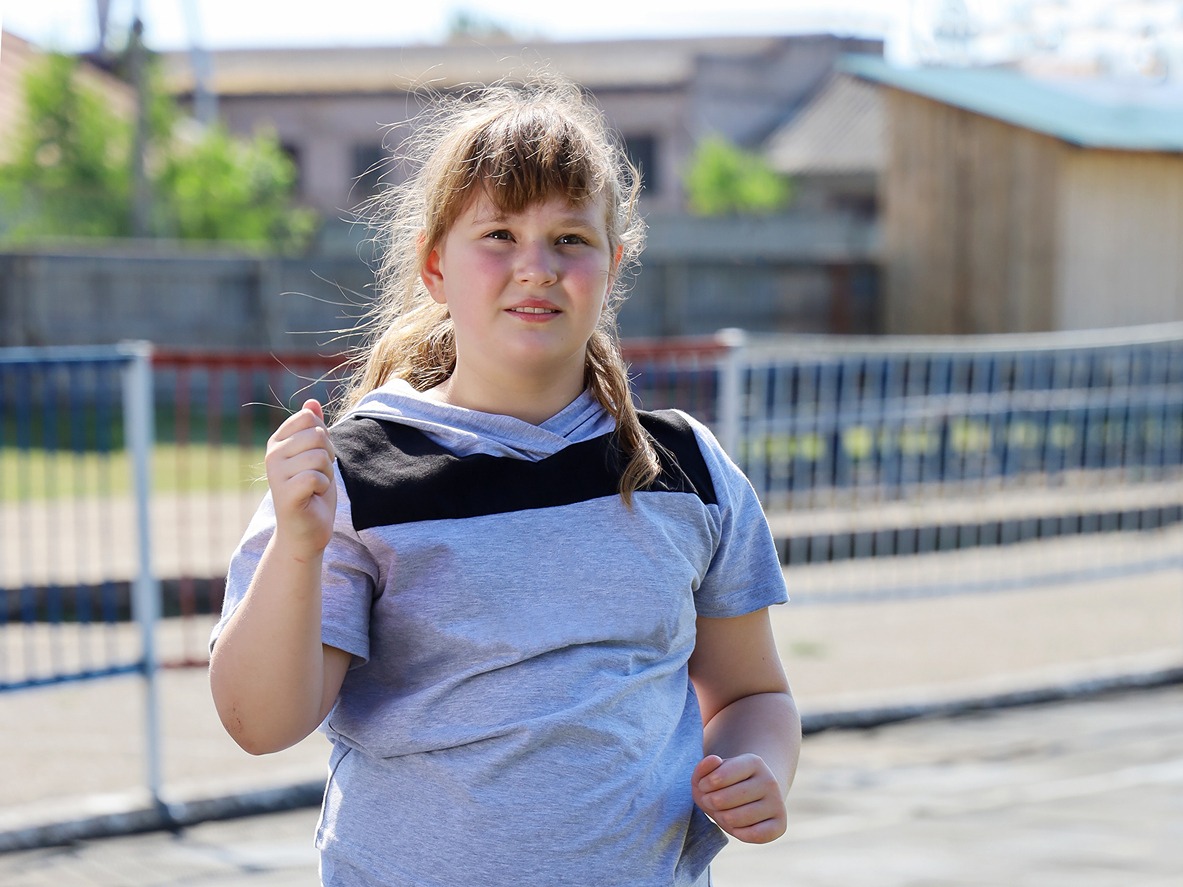
Childhood obesity is one of the most complex public health challenges in the UK. It cannot be explained by individual choices alone: children’s behaviours are shaped by their physical environment, food systems, marketing exposure, family stress, access to safe spaces for activity, cultural norms and socioeconomic inequality. [1]
Obesity definition: Obesity is a serious health concern that increases the risk of many other health conditions. [2]
1. Understanding the landscape
Prevalence in the UK
According to the National Child Measurement Programme (NCMP), in 2024 to 2025, 23.5% of children in reception (aged four to five years) were overweight or living with obesity (boys 23.6%, girls 23.4%). These numbers have remained consistently high over the last decade.[3]
One of the most striking patterns is inequality: children living in the most deprived areas of England are twice as likely to be living with obesity compared with those in the least deprived areas. This highlights the strong influence of environment and socioeconomic conditions on health outcomes.
Defining childhood obesity
Children and young people are assessed using BMI centiles based on UK 1990 growth charts. A BMI on or above the 95th centile is classified as obesity.[3] Crucially, BMI does not diagnose health; it simply flags potential risk. Assessment should always include diet, activity, sleep, mental well-being and family circumstances.
2. Why it matters: consequences beyond body weight
Childhood obesity is not just about size or BMI charts but it influences many aspects of a child’s health and daily life, including:
Physical health
Carrying extra weight can place added strain on the body. Children may be more prone to early changes in blood pressure, blood glucose regulation and other metabolic functions. Joint discomfort can appear when the body is under greater mechanical load, and sleep can also be affected, with some children experiencing breathing interruptions during the night.
Mental and emotional well-being
The emotional impact is often just as significant. Children may struggle with low confidence, worry or sadness, and they can be more vulnerable to teasing or social exclusion. A key factor here is not the weight itself, but the stigma and judgement they may encounter from peers, adults and even within school or healthcare settings.
Educational impact
These challenges can spill over into learning. Poor sleep, low energy and stress can affect concentration in the classroom. Some children may also miss more school, either because of health concerns or emotional factors linked to their experience.
3. What truly drives childhood obesity?
Childhood obesity is rarely the product of one behaviour, such as 'too much screen time' or 'not enough vegetables'. Instead, it results from many interacting drivers across five major domains:
School meals and education settings
Schools shape a large part of children’s daily eating habits, making them key spaces for supporting healthier choices. Better quality school meals can improve focus, increase nutrient intake and reduce reliance on sugary or high-calorie snacks. Programmes that combine nutrition education, physical activity and healthier food options tend to create the most meaningful and lasting changes in children’s behaviours.
Sleep and screen patterns
Short sleep duration, irregular routines and prolonged screen use are associated with increased risk of obesity in children.
Mechanisms include:
Disruption of appetite-regulating hormones
Increased snacking in the evening
Displacement of physical activity
Physical activity and built environment
Children’s ability to be active is heavily influenced by surroundings:
Safe parks, walkable streets and active travel routes all increase daily activity.
Barriers include traffic, lack of safe spaces, weather and the cost of organised sports.
Activity is not simply 'motivation'; it is access.
4. What works: evidence-based strategies
A. Policy and system-level approaches
The most effective interventions target the environment, not just individual behaviour.
Here are some examples:
Restricting marketing of unhealthy foods to children
Improving local environments (eg, limiting fast-food outlets near schools)
Community-based programmes with multi-agency collaboration
Understanding the importance of key nutrients in children’s diets (eg, protein, fibre and healthy fat)
B. School-based interventions
Schools continue to play a central role in prevention. The most successful initiatives usually involve the following:
Curriculum-integrated nutrition education
Consistent high-quality school meals
Increased physical education time
Active travel schemes
Behaviour change strategies involving both children and adults
Family or community participation for reinforcement at home
While BMI changes may be modest, improvements in diet quality, sedentary behaviour and activity are substantial and sustained.
C. Family-focused approaches
NICE guidance emphasises holistic, family-based support rather than diets specifically targeted at children. Effective approaches include:
Setting realistic, family-wide goals
Cooking skills, meal planning and structured routines
Improving sleep hygiene and reducing screen time
Encouraging movement through play, not rigid exercise regimes
Addressing psychosocial factors (eg, parental stress or mental health)
Using neutral, non-judgmental language to reduce shame
Children should never be singled out; changes should benefit the whole family.
5. The role of professionals
Professionals working with children, whether in healthcare, education or community settings, can make a significant difference by shifting the conversation away from weight and towards behaviours, the environment and well-being.
Using supportive, non-stigmatising language
Instead of “obese child”, use "child living with obesity” or “child at higher weight”.
Prioritise behavioural and contextual factors over numerical values. Focus on the following factors:
Energy levels
Sleep
Mood
Eating patterns
Stress
Family logistics
Access to food and safe play spaces
Key questions for consultations
What does a typical day’s food look like across home, school and after-school clubs?
How are sleep routines structured?
What opportunities does the child have for active play?
Are there any barriers, such as cost, safety, housing or time?
What is the child's emotional experience around food and body image?
These questions capture context and environment, not just food intake.
Working with schools
Professionals can advocate for:
healthier meal provision and adequate time to eat;
water availability throughout the day;
restricting energy-dense snacks on site;
regular movement breaks and inclusive PE;
education for staff to reduce weight stigma in the classroom.
Supporting families gently and practically
Families benefit most from small, achievable changes, such as:
switching sugary drinks for water or milk;
adding one piece of fruit or veg to familiar meals;
encouraging 10–15 minutes of active play daily;
creating consistent sleep routines;
using structured, predictable mealtimes.
The goal is behavioural resilience, not perfection.
Conclusion
Childhood obesity is shaped far more by the environments children grow up in than by individual choices alone. Factors such as food access, school meals, sleep routines, physical activity opportunities and social pressures all interact to influence health and well-being. The most effective solutions are those that work across multiple levels, improving school and community settings, supporting families with realistic changes and reducing stigma so that every child feels safe and supported. By focusing on behaviours, routines and the wider systems around children, rather than weight alone, we can help create healthier foundations that last well into adulthood.

Registered Dietitian specialising in weight management and diabetes, with over nine years of experience supporting patients in achieving sustainable health outcomes. She is also the author of the independently published book The Success of Not Dieting: Say Yes to Carbohydrates.
Vanessa Rojas RD
References
NHS. Obesity [Internet]. NHS (2023). Available from: https://www.nhs.uk/conditions/obesity/
NHS. National Child Measurement Programme, England, 2023/24 School Year [Internet]. Digital.nhs.uk (2024). Available from: https://digital.nhs.uk/data-and-information/publications/statistical/national-child-measurement-programme/2023-24-school-year
Stiebahl S. Obesity Statistics. House of Commons Library [Internet]. 2025;1(3336). Available from: https://commonslibrary.parliament.uk/research-briefings/sn03336/
Mytton OT, Boyland E, Adams J, Collins B, O’Connell M, Russell SJ, et al. The potential health impact of restricting less-healthy food and beverage advertising on UK television between 05.30 and 21.00 hours: A modelling study. Basu S, editor. PLOS Medicine [Internet]. 2020 Oct 13;17(10):e1003212. Available from: https://journals.plos.org/plosmedicine/article?id=10.1371/journal.pmed.1003212
Broadbent P, Shen Y, Pearce A, Katikireddi SV. Trends in inequalities in childhood overweight and obesity prevalence: a repeat cross-sectional analysis of the Health Survey for England. Archives of Disease in Childhood [Internet]. 2024 Jan 5;109(3). Available from: https://adc.bmj.com/content/early/2024/01/04/archdischild-2023-325844
Comments