
Nutritional challenges of feeding the older child with cerebral palsy: a clinical perspective for paediatric dietitians
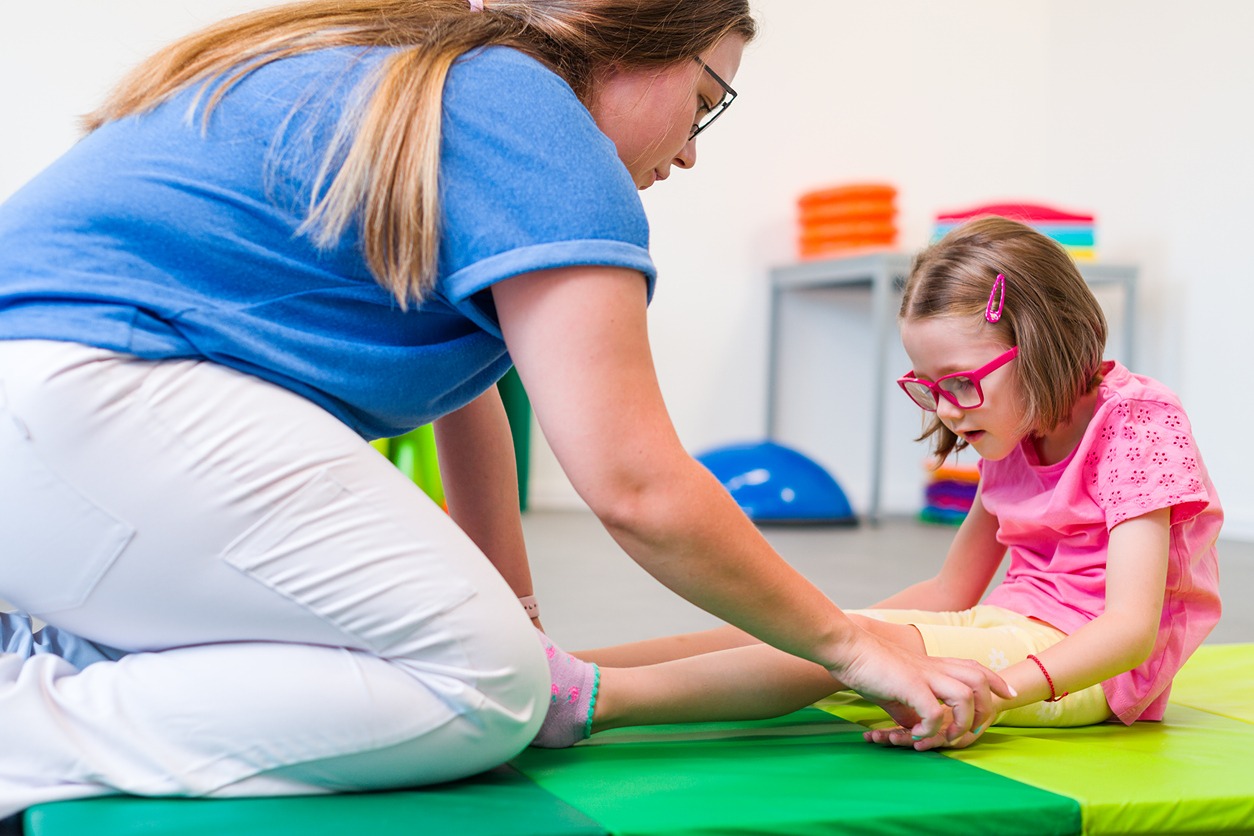
Cerebral palsy (CP) is a group of lifelong neurological disorders caused by abnormal brain development or damage, usually before or during birth, that affects body movement, muscle tone and posture. It is the most common motor disability in childhood, with symptoms including stiff or floppy muscles, involuntary movements and balance issues, ranging from mild to severe.
Children with CP often have issues with tone (hypertonic or hypotonic) and can have issues with uncontrollable movements (dystonia). Symptoms are variable and the degree of impact can be different for each child. The nutritional consequences for CP are profound and will evolve as children grow. With advances in modern medicine, we are now facing more challenges feeding children with CP, as more gut issues become apparent with age. However, children with CP often need dietetic support from a young age.[1]
Some of the nutritional challenges faced by this group of young people include poor oromotor function, gastrointestinal tolerance issues, altered growth pattern, high or low tone and dystonia leading to an increase in requirements, micronutrient deficiencies, prolonged feeding time and psychosocial feeding barriers. A paediatric dietitian is key, working alongside other members of the multidisciplinary team (MDT), to support the young person and the family. They provide evidence-based nutritional care that supports health, growth and quality of life.
The physiology of feeding in CP: motor and sensory factors
Children with CP often have dysphagia, an impaired ability to chew and swallow, due to oral, pharyngeal and/or respiratory motor dysfunction.[2] Oromotor dysfunction persists into school age and adolescence, even in children with more mild motor involvement. Impairments may include:
Inadequate lip closure
Poor tongue control
Abnormal jaw movements
Delayed swallow initiation
Reduced airway protection mechanisms
Feeding in this patient group can become inefficient and unsafe, with an increased risk of aspiration, fatigue during meals and prolonged mealtimes leading to an inefficient use of energy stores.[3] Sensory processing differences, common in CP, further complicate feeding by affecting texture acceptance and oral sensory tolerance. These physiologic limitations often result in a preference for pureed foods or liquids and reduced variety. It can be challenging to ensure macro and micronutrient targets are met.
The challenges present in infancy may change and develop as the young person grows. To ensure the risk of aspiration is as low as possible, swallow safety should be checked regularly at speech and language therapy. For some children, dietetic management may be based around food fortification, with children at the more severe end of the spectrum requiring support with alternative means of feeding (such as gastrostomies or jejunostomies). The decision to progress feeding should be made as an MDT, ensuring representation of the young person, usually in the form of a carer or parent.
Growth patterns: underweight, overweight and atypical trajectories
Growth assessment in children with CP is complex. Acquiring measurements as well as interpreting measurements can be more challenging in this patient group.[4] Alternative measurements, such as ulna length, may be used to calculate height if patients are unable to stand straight. Access to hoists or wheelchair scales can be useful when weighing certain children. Growth should be interpreted on specific growth charts where these exist, as often these children don’t follow the typical curve that their peers follow.
Undernutrition
Children with severe motor impairment are at an increased risk of being underweight. This is predominantly due to:
High energy expenditure associated with involuntary movements
Inefficient feeding and prolonged mealtimes
Limited variety and volume of food intake
Frequent respiratory or gastrointestinal comorbidities
Overnutrition
Conversely, older children with milder motor involvement (GMFCS I–III), who are ambulatory but may have reduced physical activity, can be at risk for overweight and excessive adiposity.[5] Factors contributing to this include:
Reduced lean body mass
Low physical activity
Intake of energy-dense, nutrient-poor foods
Use of high-calorie liquid supplements without appropriate monitoring
Both ends of the growth spectrum carry significant health implications: undernutrition predisposes to poor immunity, delayed wound healing and functional decline, while overnutrition increases metabolic risk and functional limitations.
Energy and nutrient requirements: a bespoke plan
Accurately estimating energy and nutrient needs in older children with CP is challenging. Standard predictive equations often misestimate requirements because they do not account for:
Altered body composition (low lean mass)
Variable physical activity
Increased work of breathing
Spasticity and involuntary movements
Studies suggest that total energy expenditure may be lower in non-ambulatory children, compared with typical peers, while energy needs may be higher in those with high muscle tone or frequent seizures.[6] Indirect calorimetry is the gold standard but is impractical in clinical settings.
Best practice recommends individualised estimations that incorporate:
GMFCS level
Activity and mobility assessments
Feeding efficiency
Growth patterns
Clinical status (eg presence of infection, pressure ulcers)
Energy needs should be reassessed regularly to avoid under- or over-feeding, especially during periods of growth, illness or increased physical therapy demands.
Micronutrient deficiencies: hidden but significant
Micronutrient deficiencies are common in this patient group and include but are not limited to:
Vitamin D deficiency: due to limited sunlight exposure and anticonvulsant use
Iron deficiency: influenced by poor intake and potential high dairy intake or reliance on tube feeds, which can impact the uptake of iron
Calcium and phosphorus abnormalities: affecting bone mineralisation
Fat-soluble vitamins: variable absorption in the context of GORD and dietary modifications
Older children with CP frequently receive nutritional supplements, either prescribed by a health professional or purchased over the counter, but without appropriate monitoring, imbalances can occur. Regular laboratory assessment should be considered and dietary review carried out regularly with a focus on assessing any symptoms of deficiencies.
Psychosocial and participation barriers
Feeding extends beyond physiology. For older children with CP:
Mealtimes can be stressful, socially isolating or aversive
Peer dynamics in school settings may limit participation
Caregiver anxiety and fatigue can affect consistency of feeding strategies
Encouraging participation, autonomy and positive mealtime experiences is central to holistic care. Strategies include:
Incorporating preferred foods within safety parameters
Adaptive equipment to support independence
Collaborative goal-setting with the child and family
Dietitians should integrate psychosocial considerations into nutrition care plans, recognising that emotional engagement with food strongly influences intake and quality of life. Dietitians should also ensure we consider the use of food fortification and supplementation to fortify and support oral feeding when we can, but conversations should be had in a timely manner around the benefits of nasogastric/gastrostomy feeding and when to consider progressing to jejunal feeding if needed.
Enteral feeding via alternative means
Many children with CP will require a period of alternative means of feeding to support their growth. For some, this will be a short period in infancy, while others will require more long-term support with feeding. Feeding the older child with CP is becoming increasingly challenging, with around 92% of these children presenting with GI complications.[7]
When considering enteral feeding for this patient group, it is important to ensure we consider the best route of feeding to meet the patients’ needs and ensure the family is supported. Consideration should also be given to the type of feed used (protein type should be considered as there is some evidence to suggest whey-based feeds are better tolerated in this patient group).[7] It is important that as dietitians we support families as their child’s feeding needs change and that we apply evidence-based medicine to the decisions that we make around feeding.
Recommendations for practice
Use condition-specific growth charts where available and ensure that you formulate bespoke growth targets for the individual.
Work within the MDT setting as management of these children includes support from many professionals including dietitians, speech and language therapists, consultants, specialist nurses, physiotherapy and occupational therapy. We can all make suggestions to improve feeding and mealtimes, whether the recommendation is based on position, access to different chairs for feeding or safety of swallow.
Assess feeding holistically, including motor function, sensory issues, gastrointestinal complexities and psychosocial issues reported by parents/carers.
Reassess regularly, adjusting energy and nutrient strategies with growth and clinical changes.
Support families, providing education, practical tools and emotional validation.
Conclusion
Feeding older children with CP involves navigating a dynamic interplay of motor dysfunction, digestive comorbidities, growth abnormalities and psychosocial barriers. Paediatric dietitians play a pivotal role in assessing individualised needs, guiding safe texture progression, optimising nutrient intake and contributing to the child’s participation and quality of life. Evidence-based, family-centred practice informed by ongoing assessment and interdisciplinary collaboration can significantly influence nutritional outcomes across childhood and into adulthood.
Hazel is a Paediatric Dietitian and has her own private practice, Kids Nutrition, which provides evidence-based nutrition advice for infants and children.
Hazel Duncan RD
References
Rosenbaum P, Paneth N, Leviton A, et al. A report: the definition and classification of cerebral palsy April 2006. Dev Med Child Neurol Suppl. 2007;109:8-14.
Sullivan PB, Lambert B. Feeding difficulties in disabled children. Arch Dis Child. 2001;85(2):94-96.
Reilly S, Skuse D, Poblete X. Disordered feeding and weight loss in children with cerebral palsy: conventional feeding management may be harmful. Dev Med Child Neurol. 1996;38(8):536-545.
Brooks J, Rosenbaum PL, Morgan AT, Hanna SE. Growth curves for children with cerebral palsy in Queensland, Australia. Dev Med Child Neurol. 2011;53(9):826-831.
National Institute for Health and Care Excellence (NICE). Cerebral palsy in under 25s: assessment and management (NG62). Published January 25, 2017. Accessed [insert date]. https://www.nice.org.uk/guidance/ng62.
Stallings VA, Charney E, Davies JC, et al. Nutrition-related growth failure of children with quadriplegic cerebral palsy. J Pediatr Gastroenterol Nutr. 1993;17(4):430-437.
Romano C, van Wynckel M, Hulst J, et al; European Society for Paediatric Gastroenterology, Hepatology and Nutrition. European Society for Paediatric Gastroenterology, Hepatology and Nutrition guidelines for the evaluation and treatment of gastrointestinal and nutritional complications in children with neurological impairment. J Pediatr Gastroenterol Nutr. 2017;65(2):242-264. doi:10.1097/MPG.0000000000001646.
Comments