
Cultural foods and dietetics: why 'healthy eating' isn't one size fits all
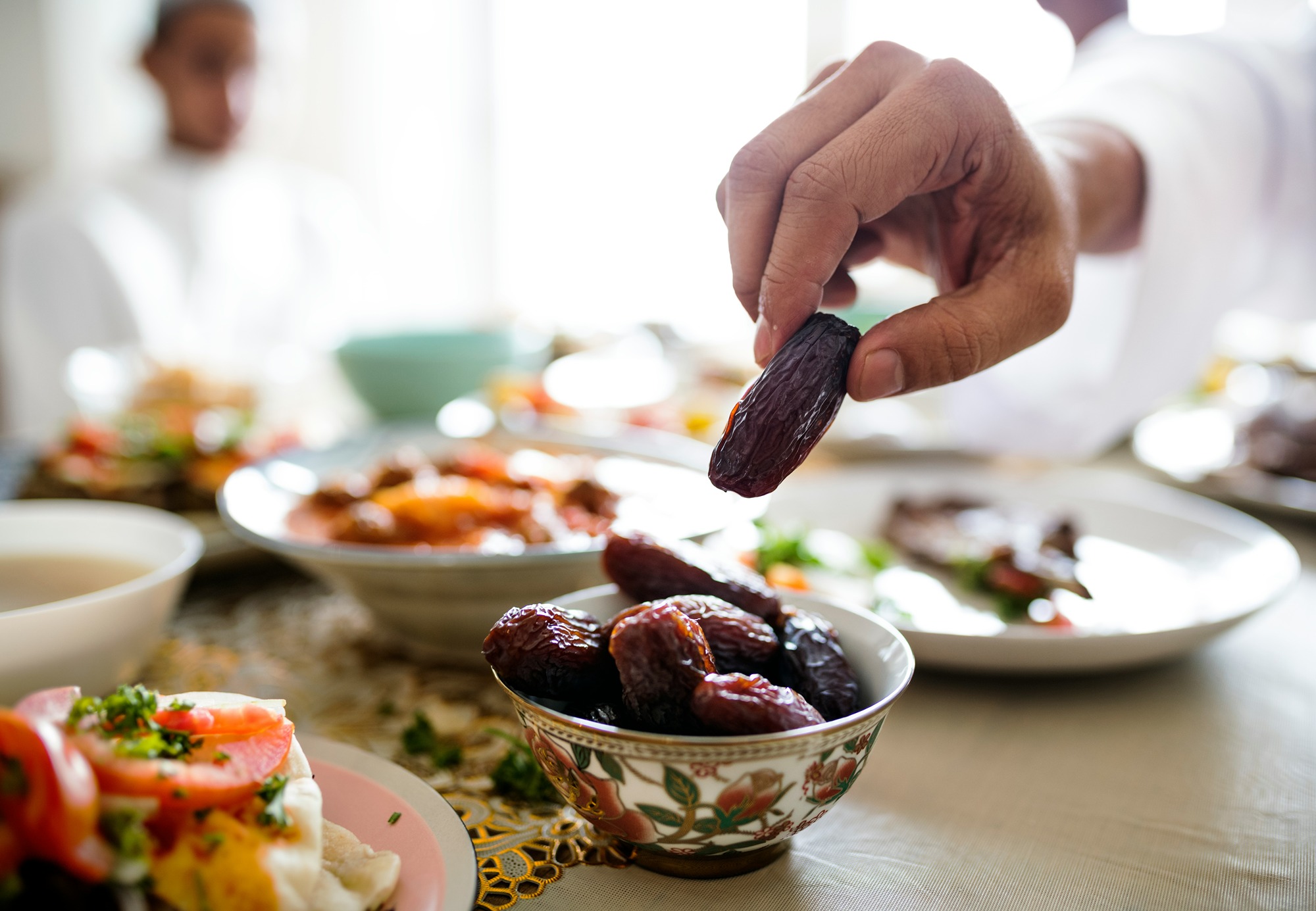
Studying to be a Registered Dietitian in the UK requires breadth and depth of knowledge around typical dietary intakes of the UK population. Recognising and respecting how culture influences dietary patterns, food choices and health beliefs [1] is an important part of your learning journey that will help you to develop the skill of being proactive in delivering inclusive care.
Inclusivity in dietetics is about ensuring equitable, respectful and culturally responsive care, alongside fair access, representation and belonging within the profession. This is underpinned by law (Equality Act 2010), regulation (Health and Care Professions Council) and professional leadership (BDA). [2-4]. Awareness of differences across our scope of practice is important, but taking action to remove barriers, challenge discrimination and adapt practice to meet diverse needs is essential for supporting individuals and communities in managing health.
Dietary advice and interventions in the UK are mostly Eurocentric by default [5] despite many UK communities being ethnically, religiously and socially diverse. The importance of using our knowledge of nutrition science with our person-centred, individualised approach to care allows us to:
meet our clients where they are;
be curious about the foods they are eating;
embrace how food fits into their lives;
create plans in partnership that support health;
respect culture.
Health and healthy eating do not need to be defined solely by Western or Eurocentric dietary models or body images.
Here are a few recommendations to help you on your way to inclusive and individualised practice:
1. Be curious
If you come across a food that you haven’t heard of before, don’t be afraid to ask and find out more about it. Mostly, people are very happy to share their knowledge and experiences with you. Simply asking “Can you tell me more about that?” can open the door to important knowledge, enabling you to provide individualised and culturally appropriate dietary advice. Questions to ask:
What food group/s does it belong to?
How is it usually cooked or served?
How frequently is it consumed?
What is the portion size?
2. Make use of interpreters or interpreted written materials
Conducting consultations with an interpreter is a whole new skill, so take the opportunity to observe or practise if the opportunity arises in your learning. However, it is so important that individuals have fair access to information and advice. If language is a barrier, then we have a duty to make genuine efforts to navigate that. Taking small actions like this will help you make a real impact on the health of individuals, and work towards reducing health inequalities amongst at-risk groups.
3 Learn about religious and cultural festivals
Being aware of major religious and cultural festivals is an easy way to move towards a more inclusive practice. Be aware of the major religious festivals and how they impact food choice and intake. From fasting to feasting, acknowledging and accounting for times when food habits are altered due to cultural festivals will ensure that you provide the best possible service to the individuals you are supporting, building genuine rapport, trust and understanding and, therefore, maximising the impact of the therapeutic relationship.
There are many resources available to learn more. Before your next placement, why not find out about the population that is served by the dietetic service and read around a religious or cultural festival that you aren’t already familiar with, then write a reflection on your learning. A great addition to your portfolio of evidence! Not sure where to start? The Multicultural Handbook of Nutrition and Dietetics by Thaker et al (2012) will help you on your way. [6] You can also find a list of resources at the end of this article that you might find helpful.
4. Challenge discrimination and promote inclusivity
We all have a role to play in ensuring that our places of learning, workplaces and access to healthcare are free from discrimination of any kind. If you see or experience any discrimination at university or on placement, make sure you report it via the appropriate channels.
Going a step further and promoting inclusivity within your sphere of influence may be as simple as taking the time to discuss specific menu options on the ward with a patient who has religious dietary requirements, [7] including a range of diverse foods in your design of written materials or presentations and having a range of versions of the Eatwell Guide on hand for consultations. [8-11] Also consider engaging with community food events or visiting local shops to learn about what foods are on offer in the local area if you aren’t already familiar.
If you have knowledge or lived experience of a culture or diet that is less represented within your course (or your department when you qualify), why not offer to share this with your colleagues. Consider a journal club about foods that are part of your culture, or even sharing your favourite recipes with others on your course.
End note
Diverse eating patterns can support good health, and the advice and support we provide to the people we work with must be flexible, respectful and culturally responsive. Keep an open mind, let go of preconceptions, be willing to learn, and meet your clients where they are in their health beliefs and what’s important in their lives.
Additional reading
Additional reading on religious and faith-based beliefs about food and religious festivals:
Diabetes and Ramadan | Fasting | Diabetes UK
Religious, Cultural, Personal and Lifestyle Considerations - BDA
Guidance on foods for religious faiths
Healthier Eating: African, Caribbean and South Asian cuisines

Lynsey Richards is a Registered Dietitian and course leader for a postgraduate dietetics course. Experience includes home enteral tube feeding, nutrition support, renal, diabetes and research in dietetic practice.
Lynsey Richards RD
References
Culture, spirituality and religion: migrant health guide - GOV.UK
Khanna S. Balanced diets: Analyzing restrictive eurocentrism in nutrition standards. International Journal of Social Science Economics Research. 2020;5(3):822-8.
Regulation 14: Meeting nutritional and hydration needs - Care Quality Commission
Thaker A, Barton A, editors. Multicultural handbook of food, nutrition and dietetics. John Wiley & Sons; 2012 Apr 5.
Comments