
Six things I wish I’d known before becoming a dietitian

Although I completed a short shadowing experience prior to starting my dietetics degree, nothing could have really prepared me for exactly what the training, education and the career itself would involve.
Your dietetics degree will likely be jam-packed and full on. The importance of managing time and priorities can be a huge learning curve (see my previous blogs!). And that’s ok. You aren’t meant to have all the answers straight away. To help you on your way, here are a few things I wish I knew before starting on my dietetics journey.
1. Practice-based opportunities are amazing!
Say yes to everything you can; you never know what you don’t know, or what you might be interested in, unless you get involved.
Another thing about practice-based opportunities is being realistic about your options. For many universities in the UK, capacity for placements might be limited. This might mean that you are not placed somewhere you have chosen, that you might have to travel further than expected or even find temporary accommodation. If you have specific health needs or caring responsibilities that will limit your ability to travel further, make sure you speak with your personal tutor or placement tutor sooner rather than later.
Make sure you have explored the funding options available to you to cover placement travel or accommodation costs. Take a look at the NHS learning support fund website to see if you are eligible and to apply for support. [1] In the end, having an open mind and doing your best to embrace the opportunities that might unexpectedly come your way will help you to build resilience and learn things about dietetics (and yourself) that you didn’t know before.
2. Your practice educators are on a learning journey too
They may be newly qualified, new to supporting learners in practice or they may be very experienced. What is true in every situation is that your practice educator will never be an expert in the way you learn. Be sure to share with your practice educators if there is a particular way you prefer to learn or to receive feedback. A good educator will engage in a two-way learning process with you to support you to reach your potential.
3. Good quality feedback is not personal
There is room for improvement in everyone’s practice. Even Registered Dietitians who have been working for years will reflect on interactions with service users or come across new medications or a culture they are not familiar with. With that in mind, remember to take feedback the way it is intended: constructively and with a reflective mind.
It is ok to have a different perspective, but start from the assumption that your practice educator or tutor wants to see you improve and succeed. If you leave an interaction on placement or an academic assignment with zero action points, then this would be extremely unusual! Similarly, if your supervisor doesn’t give you anything to work on, why not ask: “What can I do to improve for next time?”.
4. It’s ok if things don’t go to plan
There are so many things that could derail you if you let them. Take notice of whether you are the type of person whose mind easily goes into panic mode if things don’t go to plan. Failing an assignment or exam on the first attempt, being allocated to a placement setting you hadn’t planned for, your placement allocation falling through, the bus not arriving on time for your first day...
If you are struggling with dealing with unexpected events, make sure you reach out to someone who can help you before you allow the panic to take over. Speak to your tutors if you are struggling with your academic work or have questions about placement allocations. Call the dietetic department you are placed in to let them know that you are running late (this is very rarely the end of the world and happens to all of us). If you are open and honest, there is rarely a problem so big that it can’t be sorted out.
5. The world of dietetics is very small
From your first day at university, you are starting to create connections that could last for many years to come. The friends I made when I joined my dietetics course (20 years ago now!) are still some of my best friends today. The informal support that is available to you through your networks can be invaluable.
Your supervisors on your placements may end up being your future colleagues or managers. You will attend conferences or courses and will undoubtedly bump into familiar faces. Be mindful of the first impressions you present to your course friends, tutors and practice education supervisors. Actively make professional connections and start to build the foundations of your network that will last throughout your career.
6. How fast it will all go...
Whether you are on a three-year undergraduate course, a two-year Master's course or an apprenticeship, it is unbelievable how quickly the time goes. It may not feel like it when you are halfway through a difficult placement or you are struggling to meet the word count for a tricky assignment, but try to take a moment to appreciate each achievement and each milestone as they pass.
To sum up
With this opportunity to reflect back on my career so far, one of the biggest lessons I have learned is to embrace challenges that come my way and to take advantage of opportunities as they arise. When I was studying, I never anticipated how rewarding dietetics would be or that 20 years later I would be in an academic role. I landed here through saying “yes” to continued professional development and post-registration courses, to supporting learners in practice and to keeping my professional networks intact as I went along. What will the next 20 years bring?
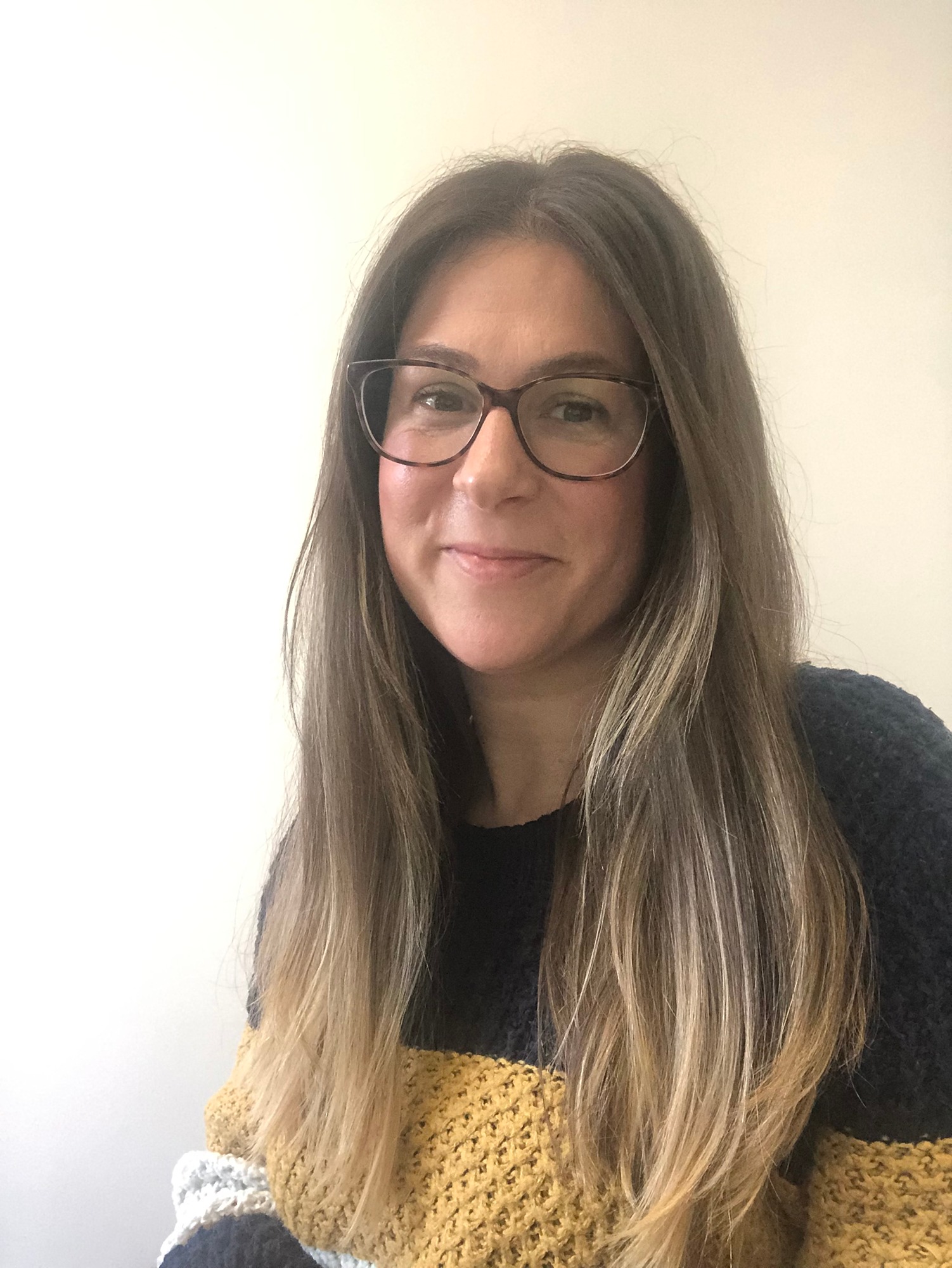
Lynsey Richards is a Registered Dietitian and course leader for a postgraduate dietetics course. Experience includes home enteral tube feeding, nutrition support, renal, diabetes and research in dietetic practice.
Comments