
What’s your pulse rate?
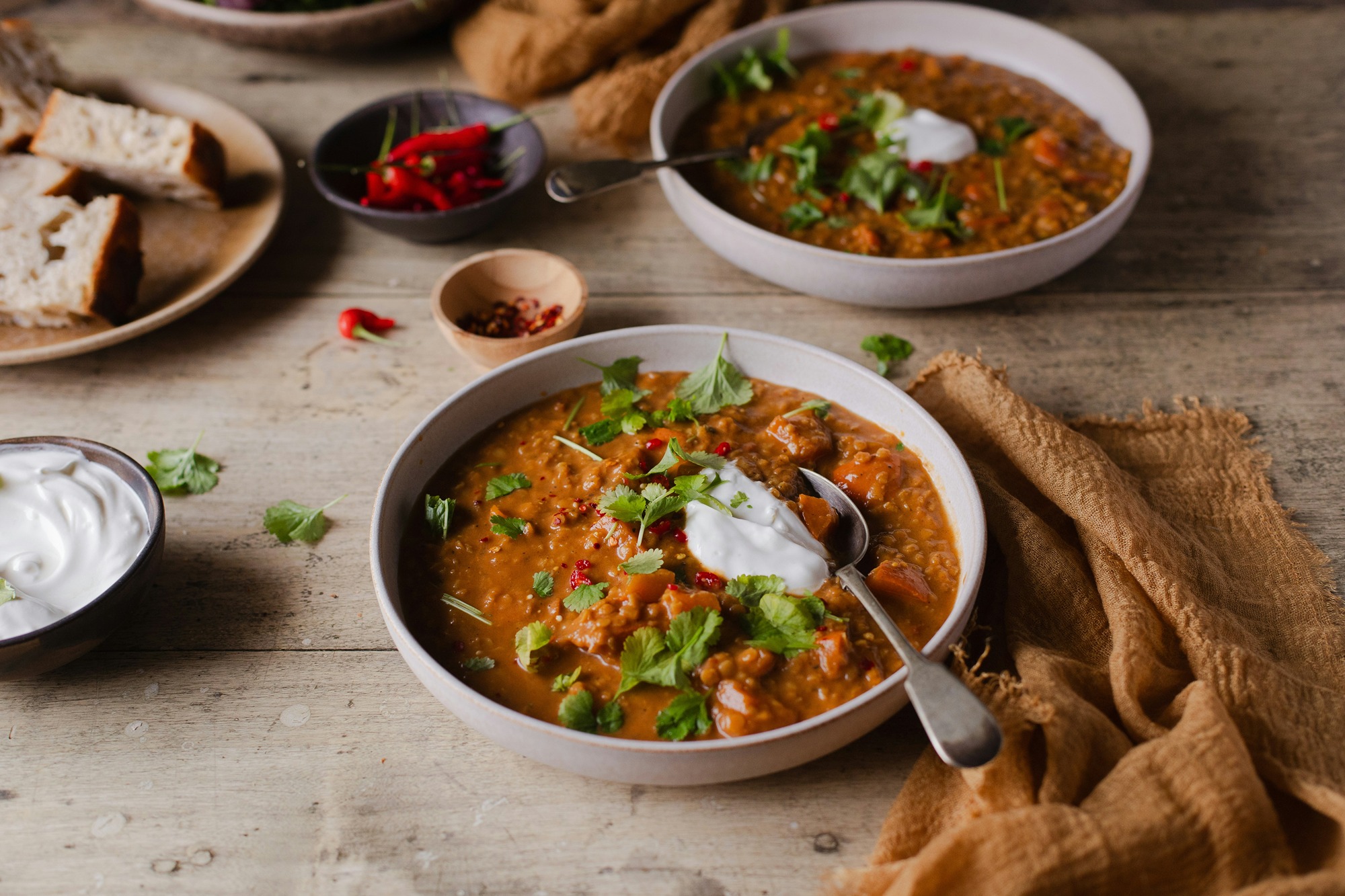
Pulses – a staple food for many people around the world and with a wealth of health and environmental benefits – are often referred to as ‘the poor man’s protein’.
This year, World Pulses Day was celebrated on 10th February and marked the eighth annual observance of this United Nations event. The theme ‘Pulses of the World: From Modesty to Excellence’ aims to elevate pulses from humble staples to versatile and celebrated foods.
What are pulses?
Also known as legumes, pulses are the edible dried seeds that come from plants belonging to the legume family.[1] They include beans, lentils, chickpeas, peas and lupins. Often harvested when still green and then dried, they can be eaten whole, as split or dehulled grains or as flour.[1]
Pulses, beans and legumes are not the same thing!
Beans in all forms are one type of pulse. Lentils and chickpeas are other types of pulses. As previously mentioned, pulses are the edible dried seeds that come from plants within the legume family. Therefore, all pulses are considered to be legumes. The term legumes refers to the whole plants that produce fruit that is enclosed within a pod.[1]
Why should we eat them?
Quite simply, we should eat pulses because they are nutrient powerhouses![2]
Packed with high-quality protein, dietary fibre, vitamins and minerals such as iron, folate, potassium and magnesium, pulses are low in saturated fat and sodium.[2-4]
Pulses are a vital component of diets around the world, providing an affordable and versatile protein and carbohydrate source. They offer a unique plant-based combination of both nutrients, typically containing around 21–25% protein and 50–65% carbohydrate (dry weight).[1]
This means that 100g of boiled pulses will yield 14.4g of carbohydrate and 8.2g protein, which is almost double the amount of protein found in cereals and three times that found in rice.[1,5]
It is well accepted that diets rich in pulses support good health and can help to reduce the risks of some chronic conditions such as diabetes, cancer and cardiovascular disease.[5-7]
Pulses can play a key role in managing LDL cholesterol, promoting good digestive health and regulating energy levels.[5] Digested slowly, pulses can provide a feeling of satiety and promote a steady release of energy. A source of soluble fibre, they support stool bulk and gut transit. The soluble fibre found in pulses acts as a binding agent whilst in the gut, which removes cholesterol and toxins from the body.[5]
In addition, pulses can benefit gut health via the oligosaccharides and resistant starches they contain. When eaten regularly, they support increased production of beneficial gut bacteria.[6]
The diverse nutrient profile of pulses may contribute to protective effects against certain cancers.[6] This is thought to be linked to their antioxidant vitamins, high fibre levels and low fat content.
Recommendations
An 80g portion (three heaped tablespoons) of pulses contributes as one of your five a day.[8]
Recommended portion sizes from the British Dietetic Association:[9]
Food | Weight | Portion (tablespoons) |
|---|---|---|
Baked beans | 150g | 4 |
Beans (kidney beans, butterbeans, black-eyed beans) | 150g | 4 |
Pulses (lentils, chickpeas) | 150g | 4 |
Intake of pulses varies across global regions and within different cultures. Many European countries have the lowest consumption at approximately 8g per day.[1] However, Italy and Belgium are doing significantly better with almost double or more daily consumption.[1]
It is recommended that we aim for one meat-free day per week and incorporate more pulses into daily meals and snacks via dips, sauces, soups, stews, salads, curries and pasta dishes.[1,8,9]
Pulses and the environment
With a growing global population and rising food production demands placing significant strain on the environment, the way we farm and produce food is under greater scrutiny than ever before. Pulse crops provide multiple environmental benefits.[1,10]
To start with, pulses have a lower carbon footprint than many other foods due to their utilisation of soil bacteria to yield nitrogen from the air. This means that less nitrogen fertiliser is required during crop production. Nitrogen fertilisers are often used to promote and improve growth and crop yield. Overuse of nitrogen fertilisers contributes to greenhouse gas emissions and toxic runoff into rivers and water systems.[1,10]
The nitrogen-fixing ability of pulse crops also supports soil biodiversity.[1] Pulse crops produce a range of compounds that nourish microbes within the soil, meaning the soil is healthy and nutrient-rich for the next crop to be grown on the site.[10]
Pulse crops require less water for growth than many other protein foods. Often adapted to grow in dry environments, they tolerate drought-prone areas well.[10]
The cropping systems and benefits associated with pulses contribute greatly to food security. They’re a cost-effective and high-yielding option for many countries and communities around the world.[10] This can provide vital employment and entrepreneurial opportunities, especially for rural women and youth, and support local economies.
Remember too that pulses have a good shelf life and can be stored for up to a year when dried, or for several years if canned and sealed.[11]
Conclusion
World Pulses Day is a reminder of the importance of pulses as a global food. The humble pulse has so much to offer and for today’s growing global population, provides a viable, cost-effective, nutrient-dense and sustainable source of food.

Emma has been a Registered Dietitian for over 18 years and has experience in adult and paediatric dietetics. She has been the Editor of NHD for 10 years, steering the editorial content and supporting the production process. Emma currently works in industry.
Emma Coates, RD
References:
The European Food Information Council (EUFIC) (2025) Pulses (Q&A). Pulses (Q&A) | Eufic
The British Nutrition Foundation (2024) Raising the Pulse. Raising the Pulse: Small beans, big opportunities
British Heart Foundation (2020) Pulses: what they are and why they're good for you. Pulses: what they are and why they're good for you - BHF
MDPI (2026) World Pulses Day – “Pulses of the World: From Modesty to Excellence”, 10 February 2026. World Pulses Day - “Pulses of the World: From Modesty to Excellence”, 10 February 2026 | MDPI
Food and Agriculture Organisation of the United Nations (2021) Health benefits of Pulses. Health benefits of Pulses
Global Pulse Confederation (2026) Pulses & Your Health. Pulses & Your Health - Pulses
Zhao N, et al (2024) Pulse Consumption and Health Outcomes: A Scoping Review. Pulse Consumption and Health Outcomes: A Scoping Review - PMC
The British Nutrition Foundation (2022) Pulses. 15507 BNF Pulses Flyer_5.indd
British Dietetic Association (2021) Portion sizes. Portion sizes - BDA
Global Pulse Confederation (2026) Pulses & Sustainable Food. Pulses & Sustainable Food - Pulses
Global Pulse Confederation (2016) How to store pulses. Pulses_HowToStore_2016_final.pdf
Comments