
Top tips to gain the most from a practice-based learning experience (or placement)

A practice-based learning (PBL) experience (or placement) is an important part of your dietetic education. It is the space in which you start to contextualise the theory you have learned at university and start to put it into practice. PBL is an exciting opportunity, but it will also be challenging at times. How can you make sure you make the most of the PBL experience? Here are seven tips to help you on your way.
1. Get organised
Once you have been informed of your placement allocation, make sure you find out what type of dietetics you might be seeing and read through your lecture notes or the relevant chapters in the Manual of Dietetic Practice[1] to familiarise yourself with the topics. Pay particular attention to diet therapies and common medications. If your PBL is in a hospital setting, see if you can access the trust’s policies on nutrition and hydration, enteral tube feeding, nutritional screening tools or management of refeeding syndrome. Consider asking whether you can visit the department before your PBL starts. This allows you to work out where you are going and to meet some members of the dietetic team, which can help calm those first-day nerves.
2. Communication is key
You are the expert in your own learning journey. Make sure you communicate with your supervisors regularly. If you have particular learning needs or preferences, be sure to include these on your pre-placement form. Sometimes learners can be reluctant to disclose learning differences or medical conditions to practice educators due to fear of being pre-judged or labelled. Remember, your practice educators are registered healthcare professionals and are required to accommodate reasonable adjustments to make sure you can reach your potential.
Make sure you put time aside to think about and complete your weekly review paperwork. This is an important space in your timetable to allow you to reflect and appreciate what you have learned. Don’t hide your light under a bushel – highlight your achievements and set yourself targets for what you would like to achieve for the next week. If you are struggling with anything at all, this meeting is an opportunity to raise it. Remember that you have a support network. Practice educators, mentors, university tutors, university support services, course mates, friends, family... there’s a range of people who are there to listen, support and advise. You are not alone.
3. Don’t be afraid to get things wrong
Give yourself permission to be a learner, not an expert. It is okay to feel unsure or to not know the answers all the time. Ask questions, read around topics, take advantage of the opportunity to observe RDs in practice and be open to different ways of working.
4. Be proactive
You’ll learn more (and make a great impression) if you keep your eyes peeled for opportunities. Have the confidence to answer the department phone if it is ringing and everyone is busy. Offer to take some anthropometric measures or diet histories from service users. Refill a water jug for a patient on the ward. Ask if there’s an opportunity to spend half a day in a speciality that is not already on your timetable, or to shadow another healthcare professional such as the nutrition nurse or speech and language therapist, to attend an MDT meeting or ward round. The opportunities are endless, and if you don’t ask, you’ll never know.
5. Remember that your practice educator was once a student too
You have earned your place on the course and this PBL. Imposter syndrome can easily creep in and try to convince you otherwise. Remember that feedback from practice educators is intended to support you to reach your potential. Resist the temptation to take feedback personally. Instead, be open to constructive criticism and embrace the opportunity to improve your skills, knowledge and practice.
6. Ride the rollercoaster
Thoughts and feelings you have about starting PBL may range from excitement to trepidation and are likely to fluctuate. You will have days when you feel you are ticking all the boxes and thriving. There may also be days when you feel overwhelmed, anxious or out of your depth. Remember that all those feelings are valid, part of the learning journey and are just temporary. Take a breath. Take a moment. Remind yourself that you’ve got this! If you ever feel that you aren’t coping, make sure you reach out and seek support from someone you trust.
7. Prioritise looking after yourself
PBL can be physically and emotionally draining. The HCPC Guidance on Conduct and Ethics for Students[2] explicitly states your responsibility to maintain your health and well-being. This will look different for everyone but start by always taking proper breaks, planning activities that sustain you during the evenings and weekends and finding time for exercise and relaxation. PBL is an opportunity to create good habits that continue throughout your career (and are a great example to others). A good sleep routine,[3] planning meals in advance,[4] staying hydrated, mindfulness[5] and being physically active are ways in which you can make sure you stay healthy during your PBL.
Conclusion
You are a future RD, but the journey to the HCPC register is just as important as the destination. Embrace the learning journey and enjoy the ride. You will miss your placement days when they are behind you (honestly!).
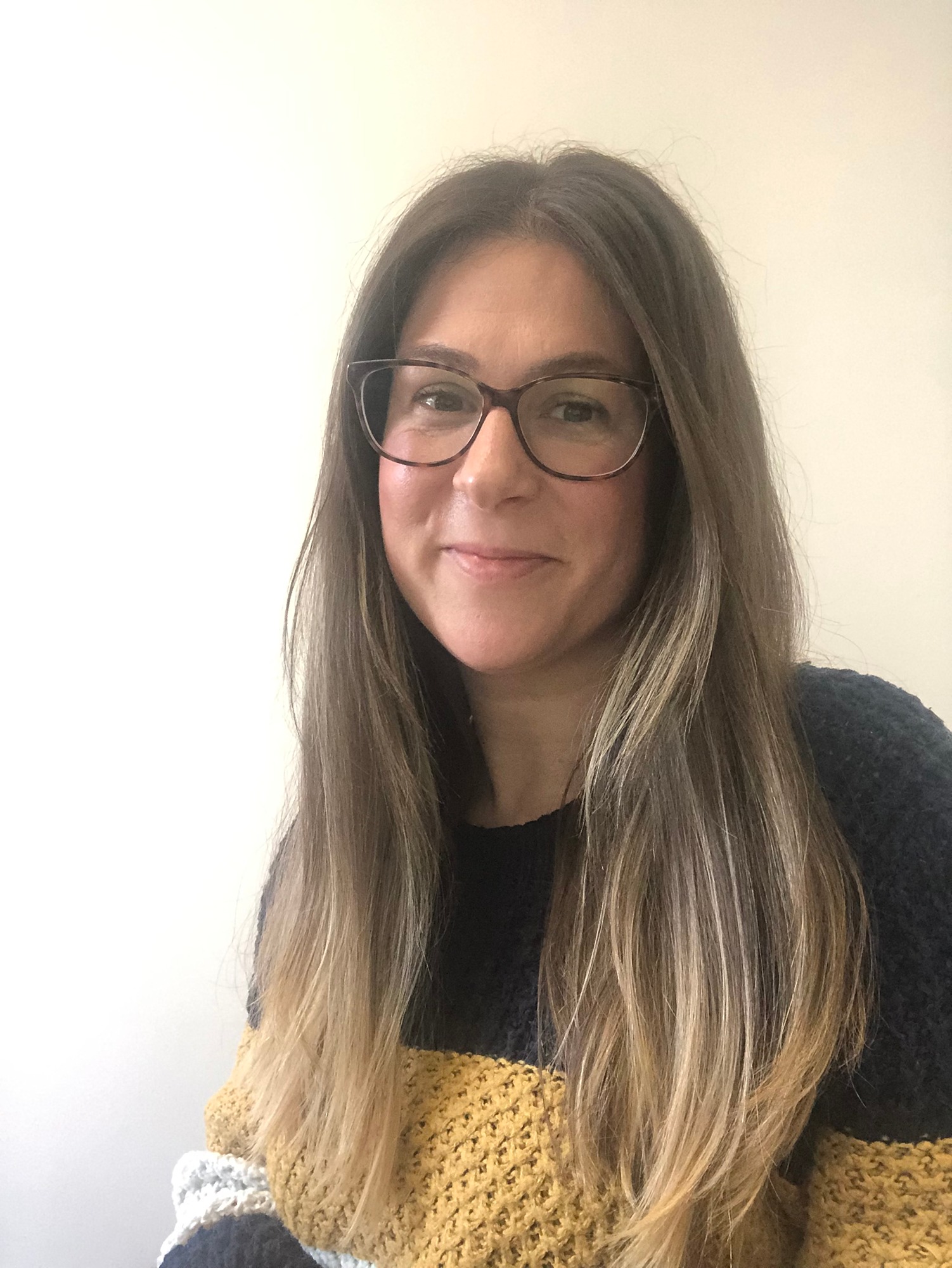
Lynsey Richards is a Registered Dietitian and course leader for a postgraduate dietetics course. Experience includes home enteral tube feeding, nutrition support, renal, diabetes and research in dietetic practice.
Lynsey Richards RD
References
Gandy J and issuing body British Dietetic Association. Manual of Dietetic Practice. Ed. by Joan Gandy. Sixth edition. Hoboken, New Jersey: Wiley Blackwell. 2019
Health and Care Professions Council (HCPC) Guidance on conduct and ethics for students. Available from: guidance-on-conduct-and-ethics-for-students.pdf Accessed 26th January 2026
How to fall asleep faster and sleep better – Every Mind Matters – NHS. Available from: Fall asleep faster and sleep better - Every Mind Matters - NHS Accessed 26th January 2026
Prep-ahead meals – BBC Food. Available from: Prep-ahead meals - BBC Food Accessed 26th January 2026
How to meditate for beginners – Every Mind Matters – NHS. Available from: How to meditate for beginners - Mental wellbeing tips - Every Mind Matters - NHS Accessed 26th January 2026
Comments